Public Information Should Be Public
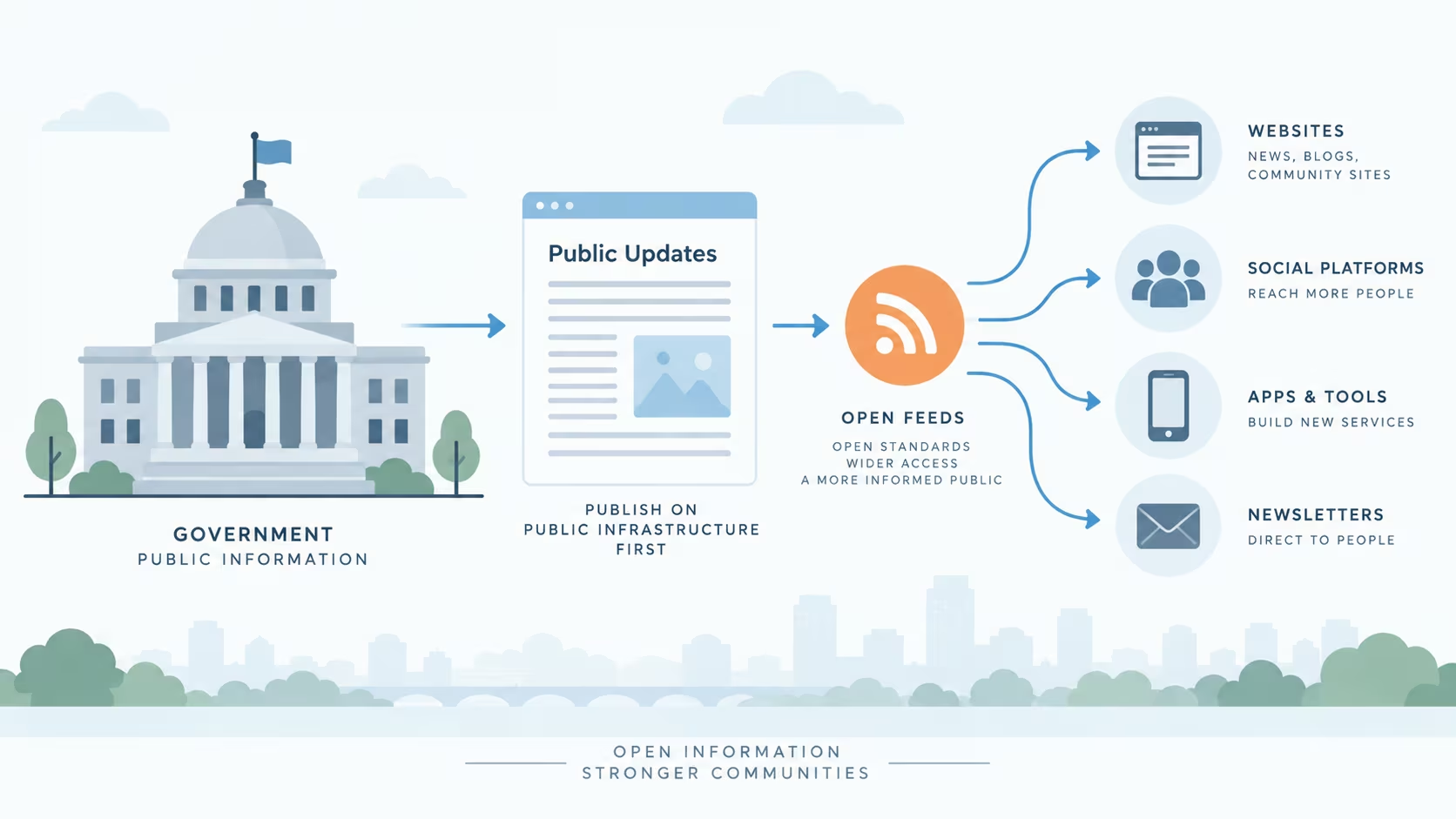
Government public information should be published on public infrastructure first, then shared through open feeds to websites, social platforms, apps, and newsletters, ensuring open standards, wider access, and a more informed public.
Government updates belong in an open feed By Mark Kennedy Founder · via Open RSS Blog
I saw this blog post from OpenRSS in my RSS reader, and it interested me in more than one way. I agree wholeheartedly with its sentiment.
Government offices, officials and agencies used to seem much more focused on making information publicly accessible. Here in Florida, we even have strong public records and open meetings laws, commonly known as the Sunshine Law[1], though lately it sometimes feels like we are going through a cloudy season.
Now, however, it seems like a huge amount of government business, alerts and notifications take place primarily on Twitter. I still can't bring myself to call it X.
Public information should not require an account with a private company to access it. Government websites should be the primary source. The infrastructure is already there, already paid for by the public, and making information easily available should simply be part of doing the people's work.