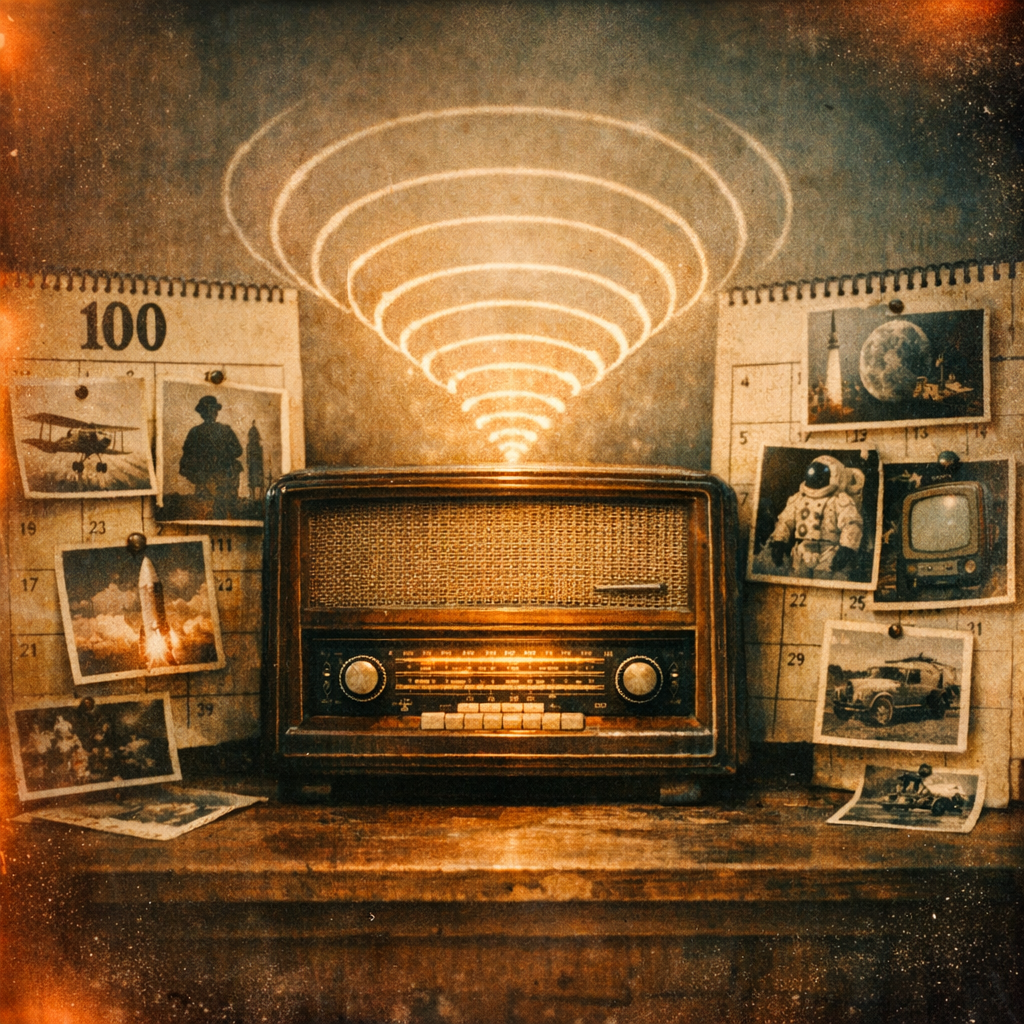
Celebrating 100 years of Moody Radio, connecting generations through timeless broadcasts and iconic moments captured in history.
This is a year of anniversaries. Moody Bible Institute turns 140 and Moody Radio turns 100. I listen to Moody Radio almost daily. I think Moody Church and Moody Bible Institute are the premier Evangelical Christian sword in today's world. You can find a great timeline with historical pictures here. Happy 140 years, Moody Bible Institute, keep turning out those Christian men and women. Happy 100 years to Moody Radio. Here's to another 100 years, unless the Lord tarries.
Links may be shortened via mtribe.link for cleaner formatting. All links redirect to their original destinations.
I have been watching the Artemis II mission off and on. I saw these pictures on the NASA website, and here are a few that I really like. They definitely got me thinking.
I have always been fascinated by space and the Heavens. I would like to go to space, but not like we do today. If I went, I would want it to be on a Star Trek type shuttle or ship. Our spacecraft, much like our planes, are little more than thin tin cans.
Looking at these pictures really affected me. The Moon is very dead and very unwelcoming, and space is the same way. Then, seeing our planet “Earth” from that vantage point just shows the miracle God made for us and the love Jesus purchased for us. Why would you want to go anywhere else?
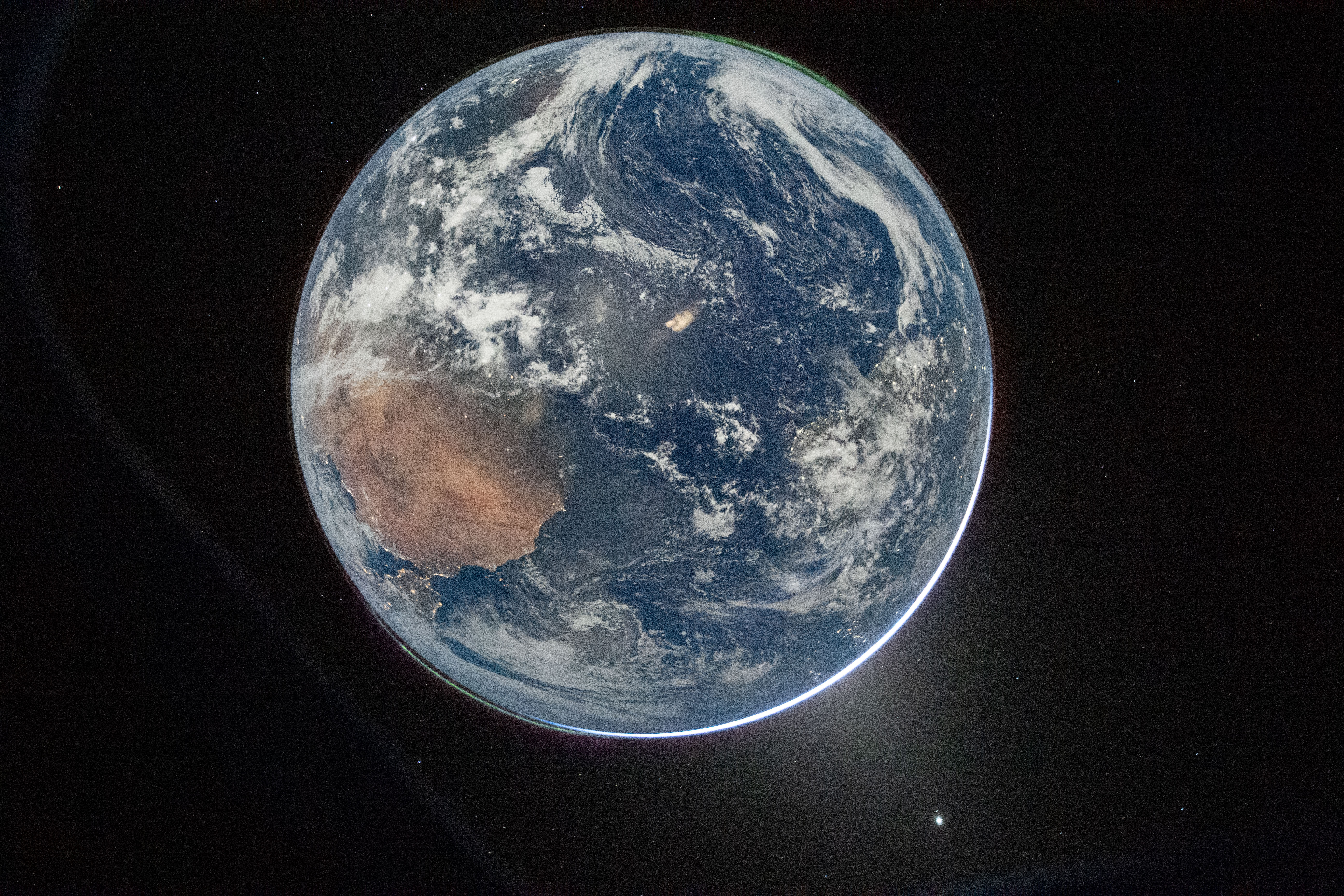
Hello, World NASA astronaut and Artemis II Commander Reid Wiseman took this picture of Earth from the Orion spacecraft's window on April 2, 2026, after completing the translunar injection burn.
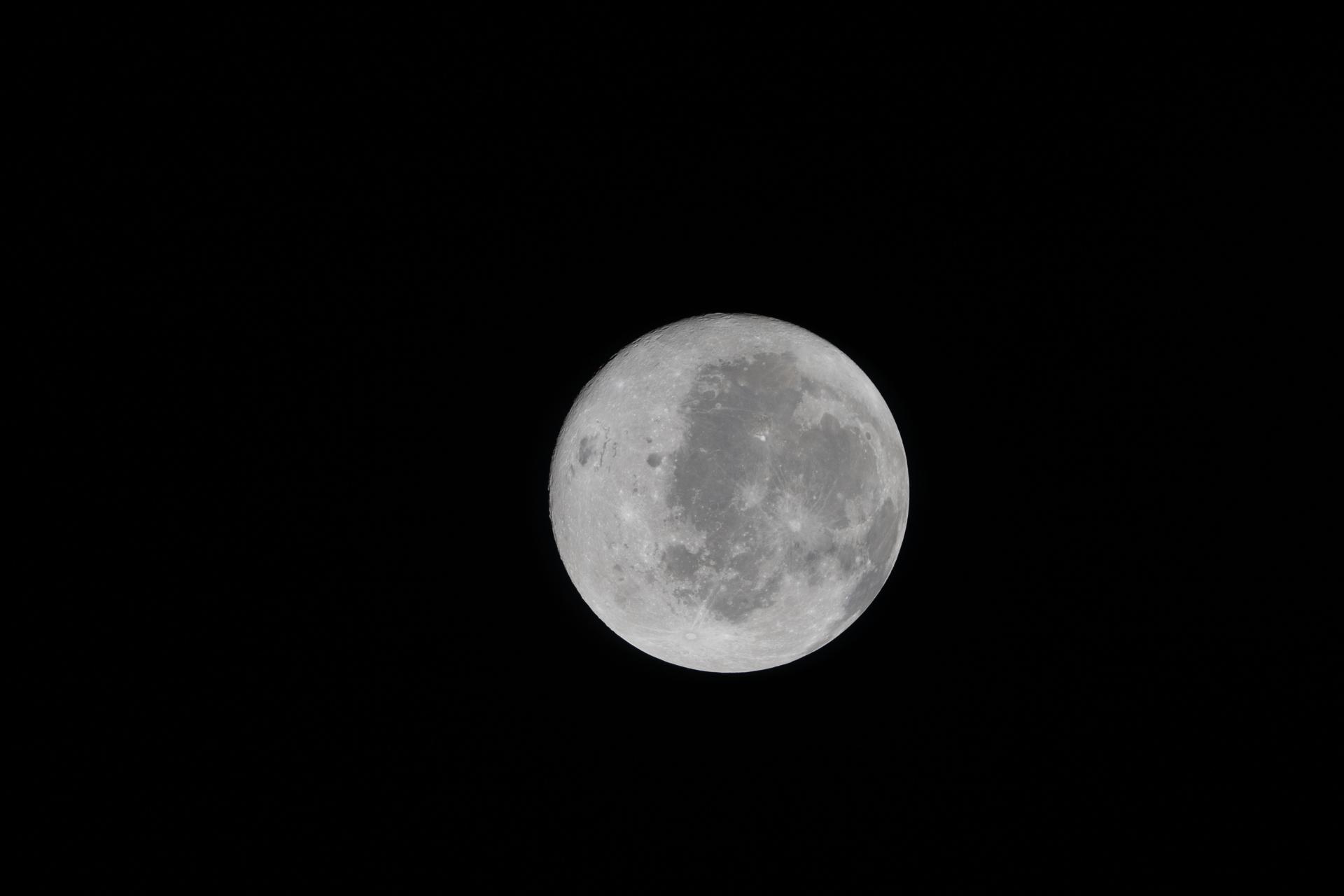
The Nearside of the Moon (April 4, 2026) - A view of the nearside of the Moon, the side we always see from Earth. Some of the far side is visible, as well, on the left edge, just beyond the black patch that is Orientale basin, a nearly 600-mile-wide crater that straddles the Moon’s ne
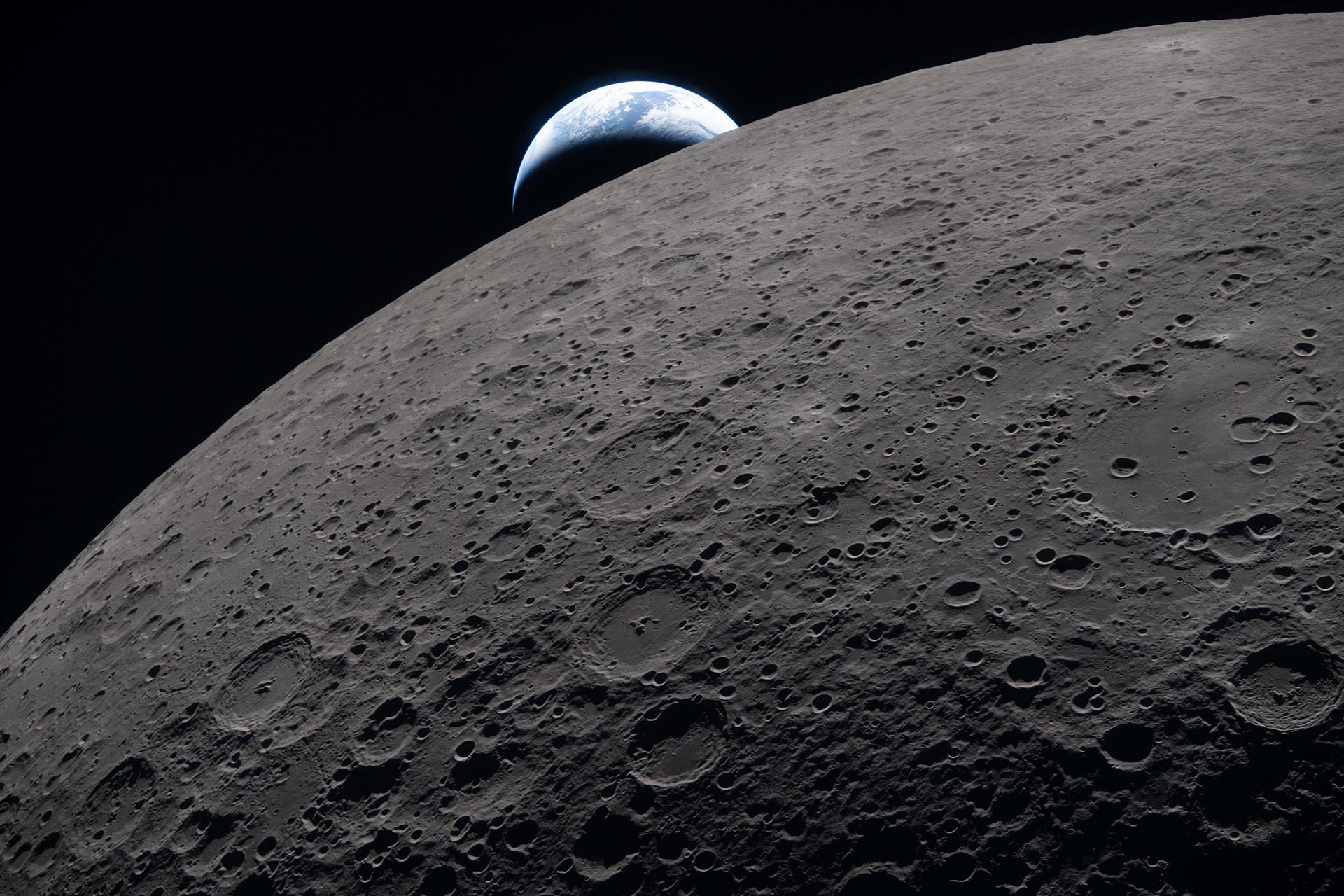
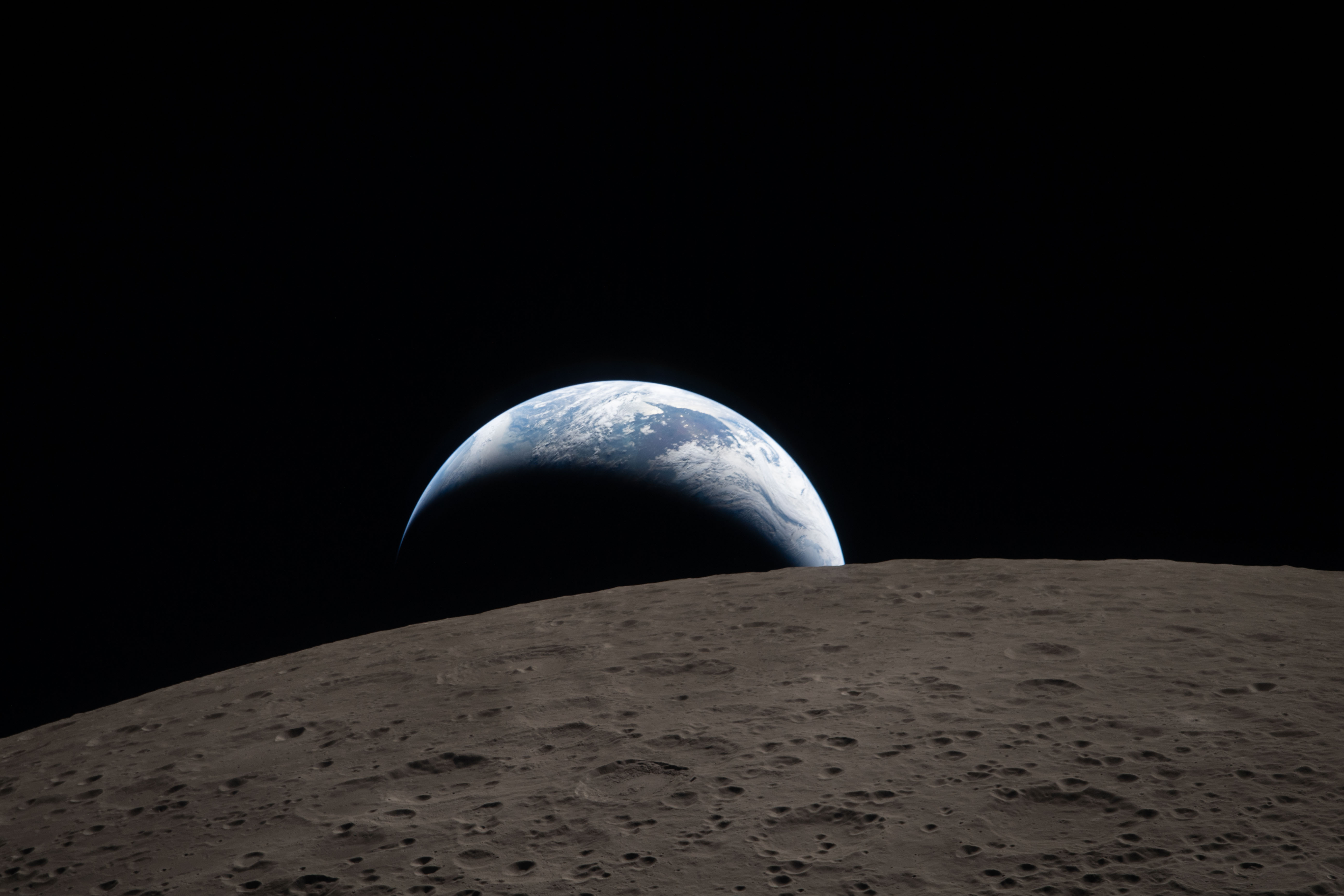
A Setting Earth (April 6, 2026) – The lunar surface fills the frame in sharp detail, as seen during the Artemis II lunar flyby, while a distant Earth sets in the background. This image was captured at 6:41 p.m. EDT, on April 6, 2026, just three minutes before the Orion spacecraft and
Earthset Earthset captured through the Orion spacecraft window at 6:41 p.m. EDT, April 6, 2026, during the Artemis II crew’s flyby of the Moon.
I don't know how people can look at these incredible images and not think there is a grand designer. I am staying where we should. Think about it, in the oceans or in space, you will always need a suit that could puncture, rupture, or run out of life-saving air or water. But God made our Earth its own spacesuit that self-replicates the air and water we need.
These pictures are just beautiful. Space, the Moon, and Mars are places to visit for a day or two, but not places to live. It would be very isolating, even with other people. Look at that multicolored marble. It is home, and it is just beautiful.